
Introduction to VO₂ Max
VO₂ Max might sound like something straight out of a physiology textbook, but in reality, it’s one of the most practical and powerful health and fitness metrics you can understand. At its core, VO₂ Max measures how efficiently your body uses oxygen during intense exercise. Oxygen is fuel. The better you use it, the better your body performs—whether you’re running a marathon, climbing stairs, chasing your kids, or simply trying to stay healthy as you age.
Think of VO₂ Max like the size of your engine. Two cars might look similar on the outside, but the one with the bigger, more efficient engine will go faster, last longer, and handle stress better. Your body works the same way. A higher VO₂ Max means your heart, lungs, blood, and muscles are working together efficiently, delivering oxygen where it’s needed most.
What makes VO₂ Max especially fascinating is that it’s not just about athletic performance. Research consistently shows that VO₂ Max is one of the strongest predictors of longevity and overall health. People with higher VO₂ Max levels tend to live longer, experience fewer chronic diseases, and maintain independence well into old age. In fact, some scientists argue that VO₂ Max may be a more powerful health indicator than blood pressure, cholesterol, or body weight.
In this guide, we’re going to break VO₂ Max down in plain English. No jargon. No fluff. Just real, actionable knowledge you can use to understand your body, improve your fitness, and make smarter health decisions—whether you’re an athlete or someone who just wants to feel better every day.
The Science Behind VO₂ Max
How Oxygen Fuels the Human Body
Every movement you make—every step, every breath, every heartbeat—requires energy. That energy comes from a process called aerobic metabolism, where your body uses oxygen to convert food into usable fuel known as ATP. The more oxygen your body can take in, transport, and use, the more energy it can produce.
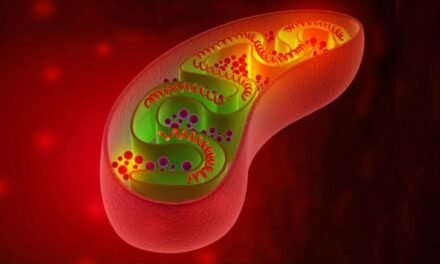
The journey of oxygen starts in your lungs, where it enters your bloodstream. From there, your heart pumps oxygen-rich blood through arteries to working muscles. Inside those muscles are mitochondria—tiny power plants that use oxygen to generate energy. VO₂ Max represents the maximum rate at which this entire system can operate under stress.
If any part of this chain is weak—lungs, heart, blood volume, or mitochondria—your VO₂ Max suffers. That’s why improving VO₂ Max isn’t just about running faster. It’s about strengthening your entire cardiovascular and metabolic system.
VO₂ Max Explained in Plain English
VO₂ Max is typically expressed in milliliters of oxygen per kilogram of body weight per minute (ml/kg/min). While that sounds technical, the idea is simple: it’s how much oxygen your body can use relative to your size.
There are two common ways to express VO₂ Max:
- Absolute VO₂ Max: Total oxygen consumed per minute, regardless of body weight
- Relative VO₂ Max: Oxygen consumed per kilogram of body weight per minute
Relative VO₂ Max is the most commonly used metric because it allows fair comparisons between people of different sizes. A smaller person might consume less oxygen overall but still be more aerobically fit than a larger person.
What’s important to understand is that VO₂ Max is a ceiling. It represents your maximum aerobic capacity. While you don’t operate at VO₂ Max during everyday activities, having a higher ceiling makes everything below it feel easier.
Why VO₂ Max Matters More Than You Think
VO₂ Max and Longevity
If there’s one reason to care about VO₂ Max, it’s this: it’s one of the strongest predictors of how long and how well you’ll live. Multiple large-scale studies have shown that people with higher VO₂ Max levels have significantly lower risks of heart disease, stroke, type 2 diabetes, and even certain cancers.
What’s even more striking is that improvements in VO₂ Max—even small ones—can dramatically reduce mortality risk. Going from “below average” to “average” fitness can cut your risk of early death by a huge margin. You don’t need to become an elite athlete. You just need to move the needle.
VO₂ Max reflects how resilient your body is under stress. Life is full of stressors—illness, injuries, emotional strain. A higher VO₂ Max gives you a bigger physiological buffer, allowing your body to cope more effectively when things get tough.
VO₂ Max and Everyday Energy Levels
Ever notice how some people seem to have endless energy while others feel exhausted by basic tasks? VO₂ Max plays a big role here. When your aerobic system is efficient, your body doesn’t have to work as hard to perform everyday activities.
Climbing stairs, carrying groceries, walking long distances—these tasks use a smaller percentage of your maximum capacity if your VO₂ Max is high. That means less fatigue, faster recovery, and more energy left over for the things you enjoy.
In simple terms, improving VO₂ Max makes life feel easier. And who doesn’t want that?
Average VO₂ Max Values by Age and Gender
VO₂ Max Charts and Norms
VO₂ Max values vary widely depending on age, gender, and fitness level. In general, men tend to have higher VO₂ Max values than women due to differences in muscle mass, hemoglobin levels, and heart size. VO₂ Max also naturally declines with age, even in active individuals.
Here’s a simplified overview of typical VO₂ Max ranges:
Fitness Level | Men (ml/kg/min) | Women (ml/kg/min) |
Very Poor | <30 | <25 |
Poor | 30–35 | 25–30 |
Fair | 35–40 | 30–35 |
Good | 40–50 | 35–45 |
Excellent | 50–60 | 45–55 |
Elite | 60+ | 55+ |
These numbers aren’t judgments. They’re reference points. What matters most is where you are now and whether you’re improving over time.
What Is Considered Elite vs Poor
Elite endurance athletes—like professional cyclists or distance runners—often have VO₂ Max values in the 70s, 80s, or even 90s. That doesn’t mean you need to chase those numbers. For most people, reaching the “good” or “excellent” category delivers massive health benefits.
On the other end of the spectrum, very low VO₂ Max levels are associated with increased health risks and reduced quality of life. The good news? VO₂ Max is trainable at almost any age.
Factors That Affect VO₂ Max
Genetics and Natural Limits
Genetics play a significant role in determining your VO₂ Max. Some people are born with larger hearts, higher red blood cell counts, or more efficient muscle fibers. These advantages can give them a higher starting point and a higher ceiling.
However, genetics are not destiny. Studies show that most people can improve their VO₂ Max by 15–30% with proper training. Even those with “average” genetics can reach impressive fitness levels through consistency and smart programming.
Age, Gender, and Body Composition
VO₂ Max typically peaks in early adulthood and declines by about 1% per year after age 30 if no training is performed. Regular exercise can slow this decline dramatically.
Body composition also matters. Higher levels of lean muscle mass support better oxygen utilization, while excess body fat can lower relative VO₂ Max values. This doesn’t mean weight loss is the goal—it means improving body composition through movement and strength training can help.
Lifestyle and Training Background
Sedentary lifestyles are one of the biggest killers of VO₂ Max. Sitting for long hours, chronic stress, poor sleep, and lack of movement all contribute to declining aerobic fitness.
On the flip side, even moderate physical activity—like brisk walking, cycling, or swimming—can maintain or improve VO₂ Max over time. You don’t need extreme workouts to see benefits.
How VO₂ Max Is Measured
Laboratory Testing (Gold Standard)
The most accurate way to measure VO₂ Max is through a laboratory test. This usually involves running on a treadmill or cycling while wearing a mask that measures oxygen intake and carbon dioxide output. The intensity increases until exhaustion.
While lab tests are highly accurate, they’re also expensive, time-consuming, and not accessible to everyone.
Field Tests and Wearable Estimates
Field tests like the Cooper 12-minute run, beep test, or step tests provide reasonably accurate VO₂ Max estimates. Modern fitness trackers and smartwatches also estimate VO₂ Max using heart rate, pace, and movement data.
While these estimates aren’t perfect, they’re incredibly useful for tracking trends over time. Consistency matters more than precision.
VO₂ Max vs Other Fitness Metrics
VO₂ Max vs Lactate Threshold
VO₂ Max measures your maximum capacity, while lactate threshold measures how long you can sustain a high effort. Think of VO₂ Max as the size of your engine and lactate threshold as how efficiently you use it.
Both matter. A high VO₂ Max with a low lactate threshold is like having a powerful car that burns fuel inefficiently.
VO₂ Max vs Resting Heart Rate
Resting heart rate reflects how hard your heart works at rest, while VO₂ Max shows how well your system performs under stress. They’re related but not interchangeable.
A low resting heart rate is generally a good sign, but VO₂ Max provides a more complete picture of cardiovascular fitness.
Training Methods to Improve VO₂ Max
High-Intensity Interval Training (HIIT)
HIIT is one of the most effective ways to improve VO₂ Max. Short bursts of intense effort followed by recovery periods push your cardiovascular system to adapt quickly.
Examples include:
- 30 seconds hard, 90 seconds easy
- 4-minute hard intervals with 3-minute recovery
These workouts are time-efficient and incredibly powerful.
Steady-State Cardio
Long, steady sessions at a moderate intensity also improve VO₂ Max by increasing mitochondrial density and cardiovascular efficiency. Think jogging, cycling, or swimming at a pace you can sustain.
The best approach often combines both HIIT and steady-state training.
Advanced VO₂ Max Training Strategies
Polarized Training
Polarized training involves spending most of your time at low intensity and a small amount at very high intensity. This method is used by elite endurance athletes and works surprisingly well for recreational exercisers too.
VO₂ Max Intervals
VO₂ Max intervals are designed to keep you near your maximum oxygen uptake for extended periods. These are tough, mentally and physically, but extremely effective.
Nutrition and VO₂ Max
Fueling Oxygen Utilization
Carbohydrates are the primary fuel for high-intensity exercise. Adequate protein supports muscle repair, while healthy fats support overall metabolic health.
Dehydration and poor nutrition can significantly reduce VO₂ Max performance.
Supplements That May Help
While no supplement replaces training, some—like caffeine, beetroot juice, and iron (if deficient)—may offer small benefits.
Recovery, Sleep, and VO₂ Max
Overtraining and Oxygen Efficiency
More training isn’t always better. Without proper recovery, VO₂ Max can stagnate or even decline.
Sleep Quality and Cardiovascular Fitness
Sleep is where adaptations happen. Poor sleep limits progress, no matter how hard you train.
Common Myths About VO₂ Max
Many people believe VO₂ Max can’t be improved or only matters for athletes. Both are wrong. VO₂ Max is trainable and relevant for everyone.
How Long Does It Take to Improve VO₂ Max?
Most people see improvements within 4–8 weeks. Long-term gains require consistency over months and years.
The Future of VO₂ Max Tracking
Wearables, AI, and predictive analytics are making VO₂ Max more accessible than ever. In the future, it may become a standard health vital.
Conclusion
VO₂ Max is more than a number. It’s a window into your health, performance, and longevity. Improving it doesn’t require extreme measures—just consistent movement, smart training, and respect for recovery. Whether your goal is athletic performance or simply living better, VO₂ Max is a metric worth paying attention to.
Frequently Asked Questions
- Can VO₂ Max predict heart disease?
Yes, low VO₂ Max is strongly associated with cardiovascular risk. - Is VO₂ Max more important than weight loss?
In many cases, yes. Fitness often matters more than scale weight. - How often should I test my VO₂ Max?
Every 2–3 months is sufficient for tracking progress. - Can walking improve VO₂ Max?
Yes, especially for beginners or older adults. - What is a good VO₂ Max for my age?
It depends on age and gender, but “average” or above delivers major health benefits.