Introduction
When it comes to longevity and disease prevention, not all fats are created equal—and more importantly, not all Omega-3 supplements work the same way.
You may already know about the Omega-3 Index and Omega6:Omega3 ratio, but here’s where things get more interesting:
👉 The form of Omega-3 you take (triglyceride vs others)
👉 And what you take it with (like polyphenols from olive oil)
These factors can dramatically change how effective Omega-3 is inside your body.
Think of Omega-3 like a powerful medicine—but its absorption and performance depend on the delivery system and environment.
Let’s explore this in a simple, practical way.
Table of Contents
| Sr# | Headings |
| 1 | What Are Omega Fatty Acids? |
| 2 | Understanding Omega-3 Fatty Acids |
| 3 | What Is the Omega-3 Index? |
| 4 | Ideal Omega-3 Index for Longevity |
| 5 | What Is Omega-6? |
| 6 | Omega6:Omega3 Ratio Explained |
| 7 | Why This Ratio Matters |
| 8 | Modern Diet Problem |
| 9 | Health Risks of Imbalance |
| 10 | Benefits of Optimal Balance |
| 11 | Best Food Sources of Omega-3 |
| 12 | Foods High in Omega-6 to Watch |
| 13 | Introducing Omega-7 |
| 14 | Benefits of Omega-7 |
| 15 | Omega-3 in Triglyceride Form |
| 16 | Role of Polyphenols in Omega-3 Efficiency |
| 17 | How to Improve Your Omega Balance |
| 18 | Supplements & Testing |
1. What Are Omega Fatty Acids?
Omega fatty acids are essential fats required for:
- Cell membrane function
- Hormone signaling
- Inflammation control
The key players:
- Omega-3 (anti-inflammatory)
- Omega-6 (pro-inflammatory in excess)
- Omega-7 (metabolic support)
2. Understanding Omega-3 Fatty Acids
Omega-3s are your body’s repair and protection fats.
Types:
- EPA → reduces inflammation
- DHA → supports brain & eyes
- ALA → plant-based
3. What Is the Omega-3 Index?
A measure of EPA + DHA in red blood cells.
Why Important?
- Reflects long-term intake
- Predicts heart disease risk
- Marker of longevity
4. Ideal Omega-3 Index for Longevity
- 8%+ → Optimal
- 4–8% → Moderate
- <4% → High risk
5. What Is Omega-6?
Omega-6 is essential but overconsumed.
Sources include:
- Refined oils
- Packaged foods
6. Omega6:Omega3 Ratio Explained
Ideal ratio:
- 1:1 to 3:1
Modern ratio:
- 15:1 or higher even going up-to 200:1 in few test results
7. Why This Ratio Matters
It determines inflammation balance:
- Omega-6 → inflammatory
- Omega-3 → anti-inflammatory
8. Modern Diet Problem
High processed food + low Omega-3 intake = imbalance.
9. Health Risks of Imbalance
- Heart disease
- Diabetes
- Brain decline
- Accelerated aging
10. Benefits of Optimal Balance
- Reduced inflammation
- Better heart health
- Improved cognition
- Longevity
11. Best Veg Food Sources of Omega-3 ( ALA)
- Flaxseeds
- Chia seeds
- Walnuts
- Algal oil
Problem : only 1-5 % of ALA is converted into DHA which is the real fuel for our brain and retina of our eyes .
12. Foods High in Omega-6 to Watch
- Sunflower oil
- Soybean oil
- Packaged snacks
13. Introducing Omega-7
Omega-7 (palmitoleic acid) supports:
- Metabolism
- Insulin sensitivity
- Skin health
Sources:
- Sea buckthorn
- Macadamia nuts
14. Benefits of Omega-7
- Improves insulin sensitivity
- Supports heart health
- Enhances skin hydration
- Reduces inflammation
15. Omega-3 in Triglyceride Form (Why It Matters)
Here’s something most people don’t know:
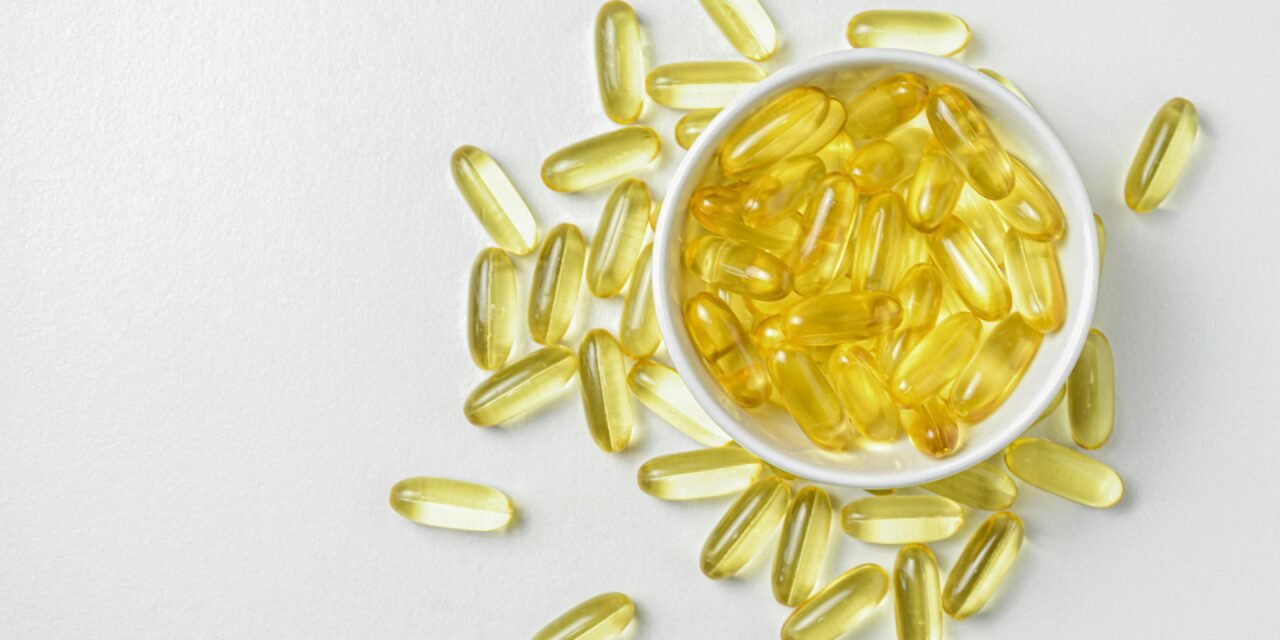
👉 Omega-3 supplements come in different forms:
- Triglyceride (TG) form
- Ethyl ester (EE) form
- Re-esterified TG
Why Triglyceride Form Is Better
- Higher Absorption
TG form is natural and more bioavailable—your body recognizes it easily. - Better Integration into Cells
It improves Omega-3 Index more effectively. - Improved Digestibility
Less chance of:
- Fishy burps
- Stomach discomfort
- Superior Clinical Outcomes
Studies show TG form leads to:
- Better triglyceride reduction
- Higher EPA/DHA levels
Simple Analogy:
Taking Omega-3 in TG form is like using a ready-to-use key, while other forms need extra processing.
16. Role of Polyphenols in Omega-3 Efficiency
Now comes a powerful synergy most people ignore.
What Are Polyphenols?
Natural compounds found in:
- Extra virgin olive oil
- Fruits
- Vegetables
How Polyphenols Boost Omega-3
- Prevent Oxidation
Omega-3 fats are delicate and easily damaged.
Polyphenols act like bodyguards, protecting them from oxidation.
- Improve Stability
They keep Omega-3 active and effective longer in the body. - Enhance Anti-Inflammatory Effects
Combination leads to:
- Greater reduction in inflammation
- Better cardiovascular protection
- Improve Absorption
Healthy fats + polyphenols = better uptake.
Olive Oil + Omega-3 = Powerful Combo
Using extra virgin olive oil with Omega-3:
- Enhances bioavailability
- Adds antioxidant protection
- Improves heart health
Analogy:
If Omega-3 is the “worker,” polyphenols are the shield and support system that ensures the job gets done efficiently.
17. How to Improve Your Omega Balance
Action Plan:
- Increase Omega-3 intake
- Choose TG-form supplements
- Add olive oil (polyphenols)
- Reduce refined oils
- Eat whole foods
18. Supplements & Testing
Consider Supplements If:
- Low Omega-3 Index
- Vegetarian diet ( Our body does not produce Omega3 , Naturally )
Track:
- Omega-3 Index
- Lipids
- Inflammation markers
Conclusion
Optimizing your health isn’t just about taking Omega-3—it’s about taking the right form and creating the right environment in your body.
- Omega-3 Index shows your protection level
- Omega6:Omega3 ratio controls inflammation
- Omega-7 supports metabolism
- Triglyceride Omega-3 improves absorption
- Polyphenols enhance effectiveness
When combined, these create a powerful foundation for longevity and disease prevention.
Small changes—done consistently—lead to big results.
FAQs
1. What is the best form of Omega-3 supplement?
Triglyceride (TG) form is best due to higher absorption and effectiveness.
2. Why combine Omega-3 with olive oil?
Olive oil polyphenols protect Omega-3 from oxidation and improve its benefits.
3. Can vegetarians get enough Omega-3?
Yes, through algal oil and seeds, though supplementation may be needed.
4. Is Omega-7 necessary for everyone?
Not essential, but beneficial for metabolic and skin health.
5. How quickly can Omega-3 Index improve?
Usually within 8–12 weeks with proper intake with good EPA/DHA Source , minimal daily dosage of 2500mg recommended .